







Keto desserts are ALL about using swaps. And it’s not hard to understand why: desserts normally call for high-carb staples like wheat flour, dairy milk, corn starch, fruit, honey, and sugar. Needing to replace all of these can make keto dessert-making seem futile. But that couldn’t be further from the truth — and our Blog is proof of this.
Ever since the keto diet started growing in popularity over the past decade, there has been a surge in low-carb substitutes for common ingredients. These keto replacements help create desserts that are just as delicious and addictive as classic treats. If you’re new to keto dessert making and baking and want to learn more about swaps, keep reading.


How Do I Replace Flour on Keto?
This is one of the first questions every novice keto-er asks, and the answer is by using nut flours.
Nut flours are alternative flours made by finely grinding nuts like almonds, coconut, and macadamia nuts. Nuts are naturally low in carbs but high in fat and protein [1]. They’re also dry enough to be turned into flour.
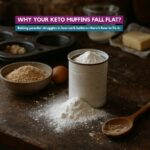
And while there are countless nut flours on the market, most low-carb recipes call for almond and coconut flour, usually mixed together. The combination of these two provides a mild taste and great texture in so many low-carb recipes. When using these two nut flours for your low-carb desserts, keep these things in mind:
- Replace almond flour for regular flour at a 1:1 ratio and use ¼ of a cup of coconut flour for every 1 cup of wheat flour.
- Use eggs or other binders to help the ingredients come together or emulsify. Almond flour and coconut flour almost always need eggs in pastry recipes.
- Use an equal amount of liquid as coconut flour in any recipe. Coconut flour can absorb 4 times its weight in water and needs to be combined with liquids to avoid dry and crumbly goods.
Some keto eaters prefer using one or the other and even substitute almond flour for coconut flour or vice versa. Keep the above rules in mind when doing so.
What About Sugar and Honey?
Desserts get their sweetness mainly from added sugar, honey, maple syrup, and other nutritive sweeteners. These are no-go ingredients when you’re on a low-carb diet. So, what most keto dieters do is use non-nutritive sweeteners, which are many different substances that provide the sweetness of sugar without its calories [2]. Examples of non-nutritive sweeteners used on a keto diet include:
- Erythritol
- Stevia
- Monk fruit
- Xylitol
- Aspartame
- Swerve
These products are usually several hundreds of times sweeter than sugar, so only a small amount is needed to achieve the desired level of sweetness. Many also have an aftertaste that might take some getting used to or that you can offset by combining different sweeteners (e.g. erythritol and stevia).
Another important thing to know is that most non-nutritive sweeteners do not brown and caramelize as sugar does. The only exception is Swerve, a brand of sweetener combining erythritol with oligosaccharides, which are non-digestible carbohydrates.
And as far as using a substitute for honey, maple syrup, and corn syrup goes, we definitely recommend the following:
- Sukrin syrup
- Syrlo syrup
- The above sweeteners
What Else Do I Need for Low-Carb Baking?
Because you won’t be using flour and sugar in your low-carb baking, you will likely need to use different leaveners and other add-ins to recreate the same texture, shape, and taste of the original recipe. Here are a couple of must-haves for your keto pantry:
Xanthan gum or vital wheat gluten
Nut flours don’t have gluten like wheat flour. The problem with this is that gluten is needed to provide elasticity, stickiness, and strength to baked goods, especially in yeast-leavened dough. Luckily, the food additive xanthan gum can take on this job in most keto recipes. Adding a bit of vital wheat gluten, another food additive can create superb results as well.
Non-dairy milk
Dairy milk is relatively high in carbs, with 1 cup providing around 11 g of digestible carbohydrates [3]. Other dairy products are typically lower in carbs because they underwent fermentation, which reduces carb count or because they’re processed in a way that increases their fat content while lowering carb count. Swap dairy milk with a nut-based milk like almond or coconut milk in your low-carb desserts.
Berries and avocado
Apple pie and banana bread are not possible to make low-carb given how carb-rich these ingredients are. That’s why you’ll need to stick to fruits like berries and avocado when making your low-carb desserts and sweets.
Nuts and seeds
Nuts and seeds can work to replace so many ingredients. They can replace cornstarch where thickening is needed, crumb toppings, as well as eggs if you have an allergy. Almond meal, peanut butter, chia seeds, and flax seeds are all keto pantry staples that help create some fantastic desserts.
Takeaways
Going keto doesn't mean going without dessert. By using ingredient swaps and changing how you bake and process ingredients, you can achieve baked goods, puddings, and other sweets and desserts that are just as good as anything from your pre-keto days.
If you’re a beginner in keto baking, it’s best to stick to tested recipes to avoid mishaps. Once you bake your first couple of cakes and pies, you’ll learn how keto swaps behave and work and will have enough experience to venture alone into low-carb baking.
References:
- Ros E. Health benefits of nut consumption. Nutrients. 2010;2(7):652-682. doi:10.3390/nu2070652
- Nichol AD, Holle MJ, An R. Glycemic impact of non-nutritive sweeteners: a systematic review and meta-analysis of randomized controlled trials. Eur J Clin Nutr. 2018;72(6):796-804. doi:10.1038/s41430-018-0170-6
- United States Department of Agriculture (USDA) Agricultural Research Service. FoodData Central. Milk, whole. April 2019. https://fdc.nal.usda.gov/fdc-app.html#/food-details/1097512/nutrients


Leave a Reply