





The Case of the Disappearing Carbs
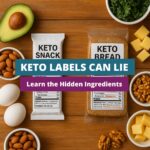
You’re in the grocery store. A snack screams “KETO-FRIENDLY” in big, confident letters. The label promises 3g net carbs. You toss it in the cart.
But… something feels off.
Flip it over.
The serving size is laughably small. The ingredient list reads like a chemistry set. And those sugar alcohols? They’re playing hide-and-seek with your blood sugar.
You just stumbled onto your first carb crime scene.
Time to grab your magnifying glass.
1. The Serving Size Swindle
This is the oldest trick in the book. Manufacturers make serving sizes tiny so the carb count looks low.
- Example: “3g net carbs per ⅓ cup” — but you eat the whole cup? That’s 9g, not 3.
- Protein bars sometimes list half a bar as a serving. (Because apparently we’re saving the other half for next Tuesday.)
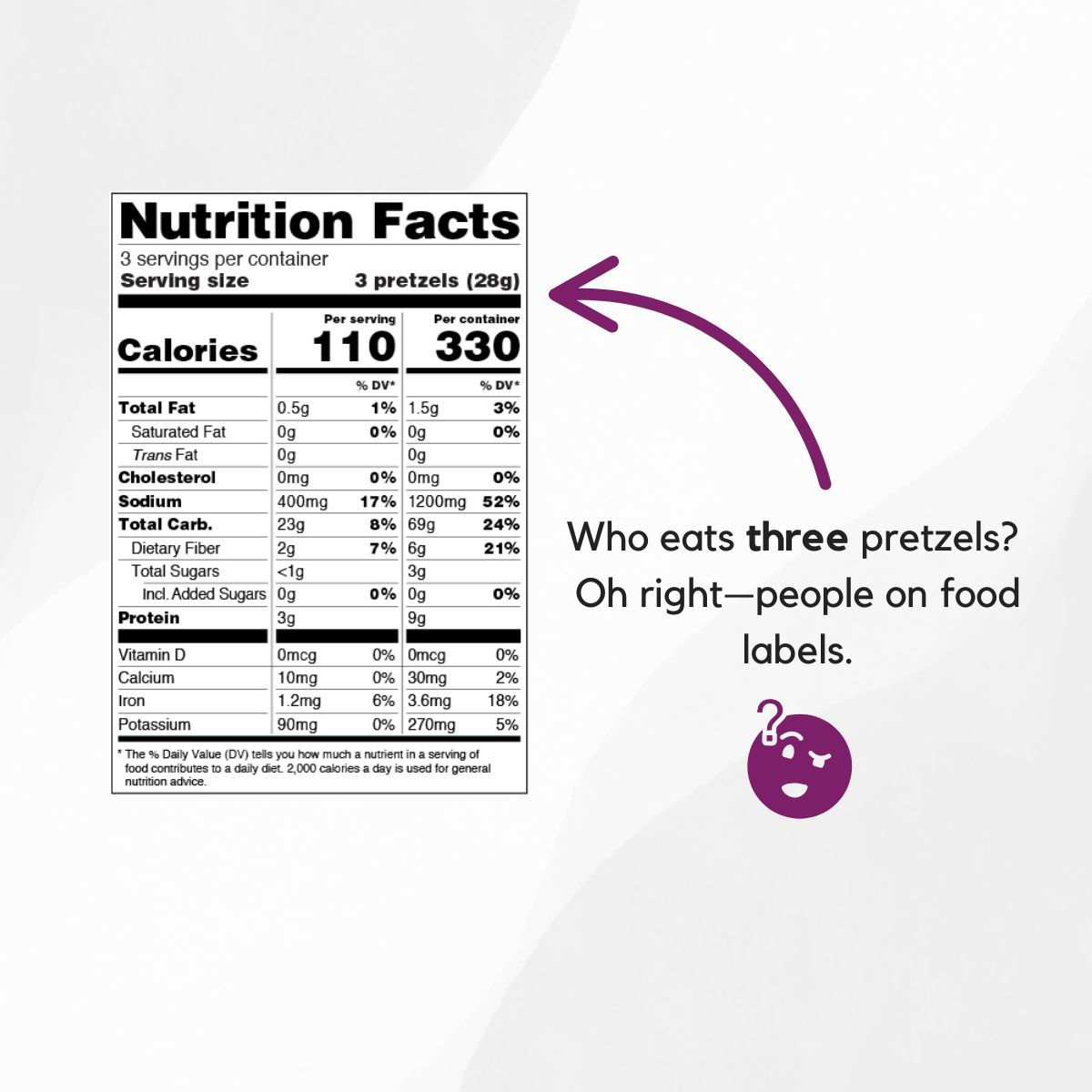
Detective Tip: Always multiply the carbs by the portion you actually eat.
2. Total Carbs: The Real Scoreboard
Net carbs can be edited; total carbs are the raw truth.
- Total carbs = fiber + sugar alcohols + starches + sugars.
- If total carbs are high but net carbs are suspiciously low, something’s fishy.
Detective Tip: Start with total carbs, then check the math.
3. Sugar Alcohol Sleight of Hand
Here’s the big reveal:
Not all sugar alcohols are created equal.
- Maltitol? Still spikes blood sugar.
- Sorbitol and isomalto-oligosaccharides? Not as keto-friendly as the label implies.
And thanks to U.S. labeling laws, anything under 0.5g per serving can be listed as 0g.
Detective Tip: Don’t assume “0g sugar” means no sugar.
4. Ingredient List Clues
The ingredient list is where the real evidence hides.
Watch for:
- Starches: tapioca, arrowroot, potato, corn
- Sugars: honey, agave, evaporated cane juice
- Code words: anything ending in -ose (glucose, fructose, sucrose)
Ingredients are listed by weight, so the earlier it appears, the more of it there is.
5. The “Keto” Label Trap
Food companies know “keto” sells. They also know most shoppers won’t check.
Common offenders:
- Protein bars
- Baking mixes
- “Keto” sauces and condiments
Detective Tip: Trust the label on the back, not the marketing on the front.
6. The Hidden Carb Most People Miss
Some products seem safe until you realize the carb source isn’t sugar at all — it’s the thickener.
Examples:
- Salad dressings with tapioca starch
- “Sugar-free” ketchup with corn starch
- Low-carb tortillas with wheat flour as the second ingredient
7. Tools of the Carb Detective
You don’t need a trench coat and fedora — just the right tools:
- Carb-tracking apps (cronometer)
- Keto-friendly brand list
- Printable carb cheat sheet for grocery trips
The Carb Criminals Cheat Sheet
| Label Term | Carb Concern | Better Alternative |
|---|---|---|
| Maltitol | Spikes blood sugar | Erythritol, monk fruit |
| Tapioca starch | High-carb thickener | Xanthan gum |
| Rice flour | High-carb gluten-free flour | Almond flour |
| “Sugar-free” | May use high-GI sweeteners | Stevia, monk fruit |
Closing the Case
Hidden carbs aren’t magical — they’re just cleverly disguised.
Once you know the tricks, you’ll spot them faster than a candy bar in the checkout aisle.
Your next move: Grab three items from your pantry right now. Flip them over. Check the serving size, total carbs, and ingredient list. Congratulations — you’re now officially a carb detective.


Leave a Reply