



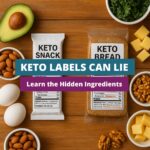




TL;DR: “Keto approved” is not a regulated claim. It can mean anything a brand wants. Before you buy, check serving size, net carbs math, added sugars & sugar alcohols, top 5 ingredients, and portion realism. Save the Red Flags Checklist below.
What “Keto Approved” really means (and doesn’t)
There’s no official, legal definition of “keto” on packaged foods. In many markets (including the U.S.), regulators define claims like “low fat” or “sugar free,” but they do not define “keto,” “keto-friendly,” or “keto approved.”
- No standard: Any brand can put “keto approved” on a box. It’s a marketing phrase, not a guarantee.
- Private seals: Some logos come from private programs. Standards vary and may only check one or two metrics (like net carbs), not overall quality.
- Net carbs math differs: Companies subtract fiber and sugar alcohols in different ways. You might see “2g net carbs” based on generous assumptions or tiny serving sizes.
- Serving games: Labels can slice portions unrealistically small. A “2g net carbs” serving can turn into 8g after a normal portion.
Fast Win: Treat “keto approved” like a hint, not proof. Always verify with the Nutrition Facts and ingredients list.

Why brands use the label (the psychology behind it)
It works. “Keto approved” gives a quick “health halo” that nudges you to drop the item in your cart—especially when you’re busy or new to keto.
- Speed decisions: Shoppers use shortcuts. A bold stamp feels safe and saves time.
- Confusion advantage: “Net carbs” and sugar alcohols can be confusing. A seal smooths over the details.
- Bliss point: Some “keto” treats push sweetness as far as possible while keeping carbs low on paper. The label helps them feel “allowed.”
Bottom line: the words sell the product. Your job is to verify the numbers.
How to read labels like a pro (60-second method)
Use this quick routine in the aisle or online. It’s fast, simple, and saves you from carb creep.
Step 1 — Scan serving size & net carbs
- Check serving size first. Is it realistic? If you’d eat double, double the carbs.
- Net carbs = Total carbs − fiber − (some sugar alcohols). Be cautious: not all sugar alcohols are equal (see Step 2).
- Aim for your target (many people keep snacks to ~2–4g net carbs per practical portion).
Step 2 — Check added sugars & sugar alcohols
- Added sugars: Should be 0g or very low.
- Sugar alcohols differ: Erythritol contributes ~0 net. Xylitol is partially absorbed. Maltitol is often more glycemic than people expect and can spike cravings/gi distress.
- Rule of thumb: If the “net carbs” number depends on maltitol, be skeptical.
Step 3 — Read the first 5 ingredients
- Watch for starches/flours: wheat, rice, potato, corn, tapioca can push up real-world carbs.
- Fiber fillers: inulin/chicory fiber, IMO syrup, and certain “prebiotic” blends can be fine for some but cause GI distress for others—and sometimes get over-credited in net carb math.
- Endless sweeteners: If it lists multiple sweeteners, expect a very sweet “keto” taste that may keep cravings alive.
Step 4 — Sanity-check fats & protein
- Protein: For snacks, a little protein can help satiety. Ultra-low protein + sweet can encourage overeating.
- Fats: Ingredients tell you the sources (e.g., butter, ghee, olive oil, coconut, or highly refined seed oils). Choose what aligns with your preferences.
Step 5 — Portion realism & calories
- Serving size tricks: If “1 cookie” is the serving but a sleeve has 4, do the math.
- Hunger math: A “2g net carb” bar won’t help if you eat three. Choose portion sizes that match real life.
Pro Tip: If the marketing sounds amazing but the math is murky, skip it. Whole foods rarely require a calculator.
Red Flags Checklist (save this)
Use this quick pass before you buy:
If you tick two or more, find a better option.
Common “keto” product traps
Bars & snacks
Often very sweet, very low protein, and built on fiber syrups or maltitol. Net carbs can look tiny per serving but jump when you eat a normal portion.
Breads, tortillas & wraps
“Keto” breads may lean on wheat starches and fiber blends. If you rely on them daily, track how they affect hunger, cravings, and net carbs across a real sandwich or meal.
Ice creams & desserts
Round a lot, tiny serving sizes, complex sugar alcohol mixes. Great for an occasional treat; not great if they restart nightly sweet habits.
Sauces & condiments
“No sugar added” doesn’t always mean low carb. Tomato pastes, thickeners, and serving sizes matter. Measure what hits the plate.
What to look for instead
- Simple ingredient lists you can recognize.
- Clear carb math with realistic servings.
- Satisfying macros (some protein + fat) to curb snacking.
- Brands that publish testing or detailed nutrition FAQs (even better if they explain net carb assumptions plainly).
- Whole-food defaults: eggs, meat, fish, non-starchy veggies, olives, avocado, nuts—no label wizardry required.
New to building your mornings? Try the 5-Minute Keto Morning Reset for an easy daily rhythm.
Quick label decoder (glossary)
- Net Carbs
- Total carbs minus fiber minus some sugar alcohols. Methods vary; brands may over-subtract. Check the math.
- Fiber (inulin/IMO)
- Often added to lower net carbs and add sweetness/texture. Some people digest parts of these, which can affect net carbs and GI comfort.
- Sugar Alcohols
- Erythritol is mostly non-caloric; xylitol is partially absorbed; maltitol is relatively higher impact. Your response may vary.
- “Keto Approved/Friendly”
- Marketing language, not a regulated standard. Treat as a starting point, not a guarantee.
- Per Serving
- Always check grams/ounces. If the serving is tiny, scale to what you’ll actually eat.
FAQs
Is “keto approved” regulated?
No. It’s not a legally defined claim in many markets (including the U.S.). It’s marketing text. Always verify the Nutrition Facts and ingredients.
How do I calculate net carbs?
Start with Total Carbohydrate. Subtract fiber. Then subtract sugar alcohols with caution (erythritol ≈ 0; maltitol is often partly countable). Your personal response may vary.
Are sugar alcohols okay on keto?
Many people use erythritol or stevia/monk fruit without issues. Others find certain sugar alcohols (like maltitol) trigger cravings or GI upset. Test your response.
Can I trust “2g net carbs” on the front?
Only if the serving size is realistic and the subtraction method is clear. If it relies on maltitol or micro-servings, be skeptical.
What about private “keto certified” logos?
Standards differ. Some check net carbs only; few review overall ingredients or portion realism. Use the Red Flags Checklist anyway.
Disclaimer: This article is for informational purposes only and is not medical or dietary advice. Always consult your healthcare provider before making significant diet changes.

Leave a Reply